Image 1 of 11
Image 2 of 11
Image 3 of 11
Image 4 of 11
Image 5 of 11
Image 6 of 11
Image 7 of 11
Image 8 of 11
Image 9 of 11
Image 10 of 11
Image 11 of 11
Electrical Line Laying
Scope of Work:
Site assessment and planning: Survey the route, identify hazards and obstructions, verify existing utility locations, obtain permits, and coordinate with stakeholders.
Design and engineering support: Provide recommendations for conductor type, cable size, supports, trenching depth, conduit requirements, grounding, and protective measures per applicable electrical and local codes.
Materials procurement: Supply conductors, cable assemblies, insulators, conduit, duct banks, poles or towers, anchors, hardware, grounding rods, splice kits, warning tape, and labeling materials.
Traffic and site protection: Implement traffic control, erosion control, silt fencing (where needed), barricades, signage, and site safety measures to protect workers and the public.
Installation Methods:
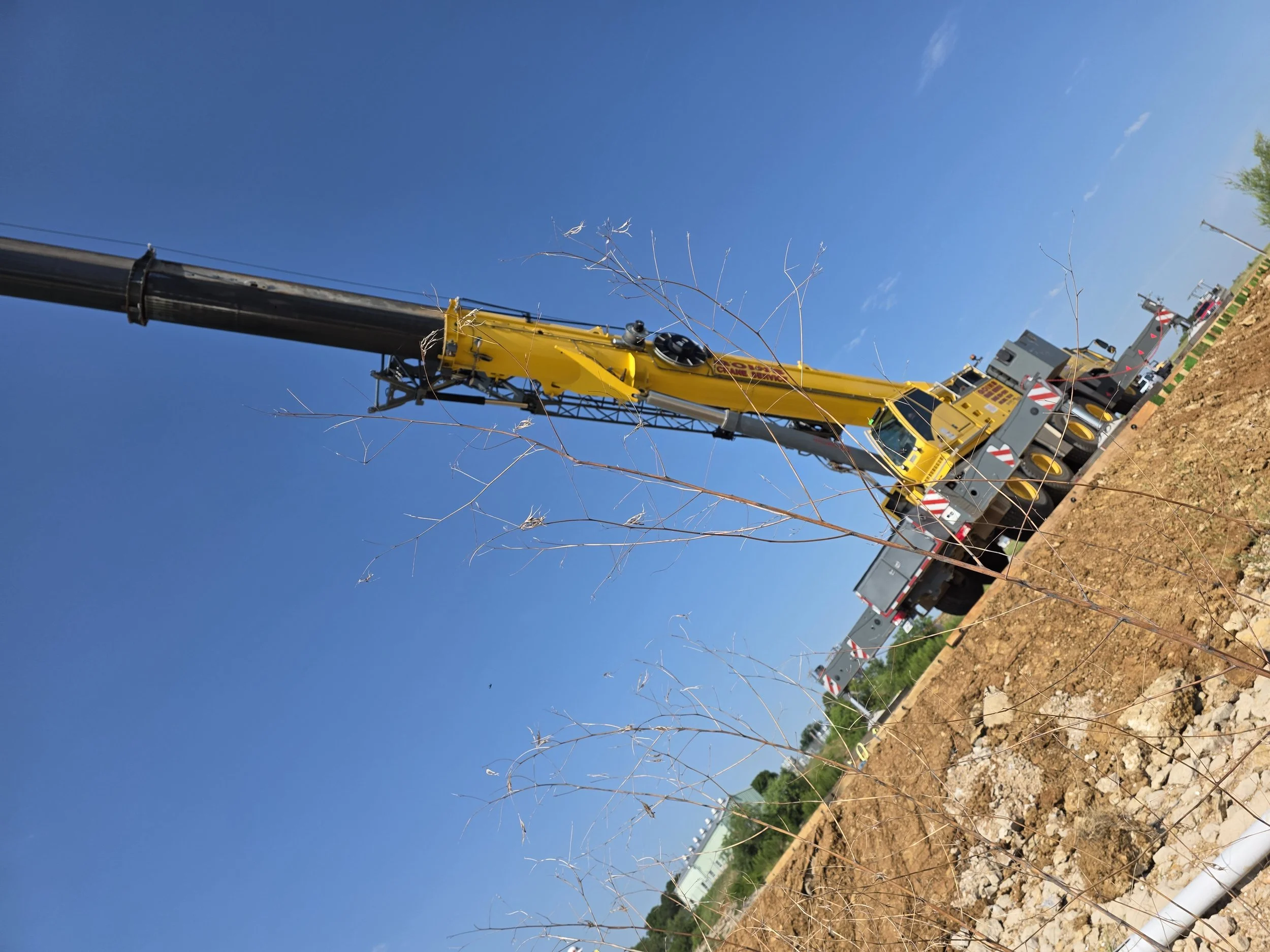
Overhead line installation: Install poles or towers, set foundations or anchors, erect structures, string conductors, sag and tension to specifications, install insulators, crossarms, lightning protection, and ground wires. Perform guying and anchor installation as required.
Underground conduit and duct bank: Excavate trench to required depth, bed and surround with sand or select backfill, install conduit or HDPE ducts, place pull boxes or manholes at specified intervals, backfill and compact to grade, and restore surface.
Direct-buried cable: Excavate trench, install warning tape and protective conduit where required, lay cable with appropriate bedding, backfill and compact, and restore surface finishes.
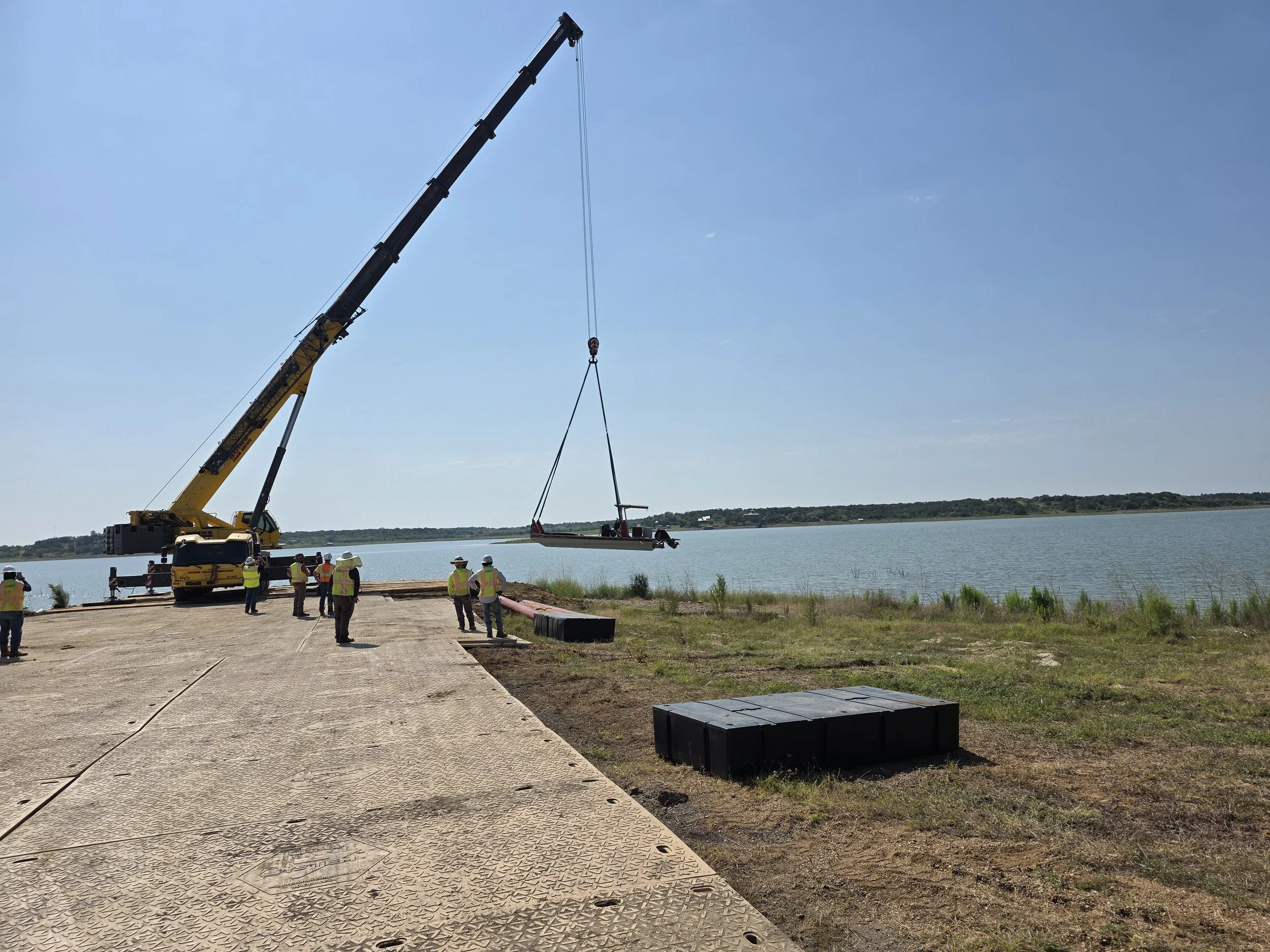
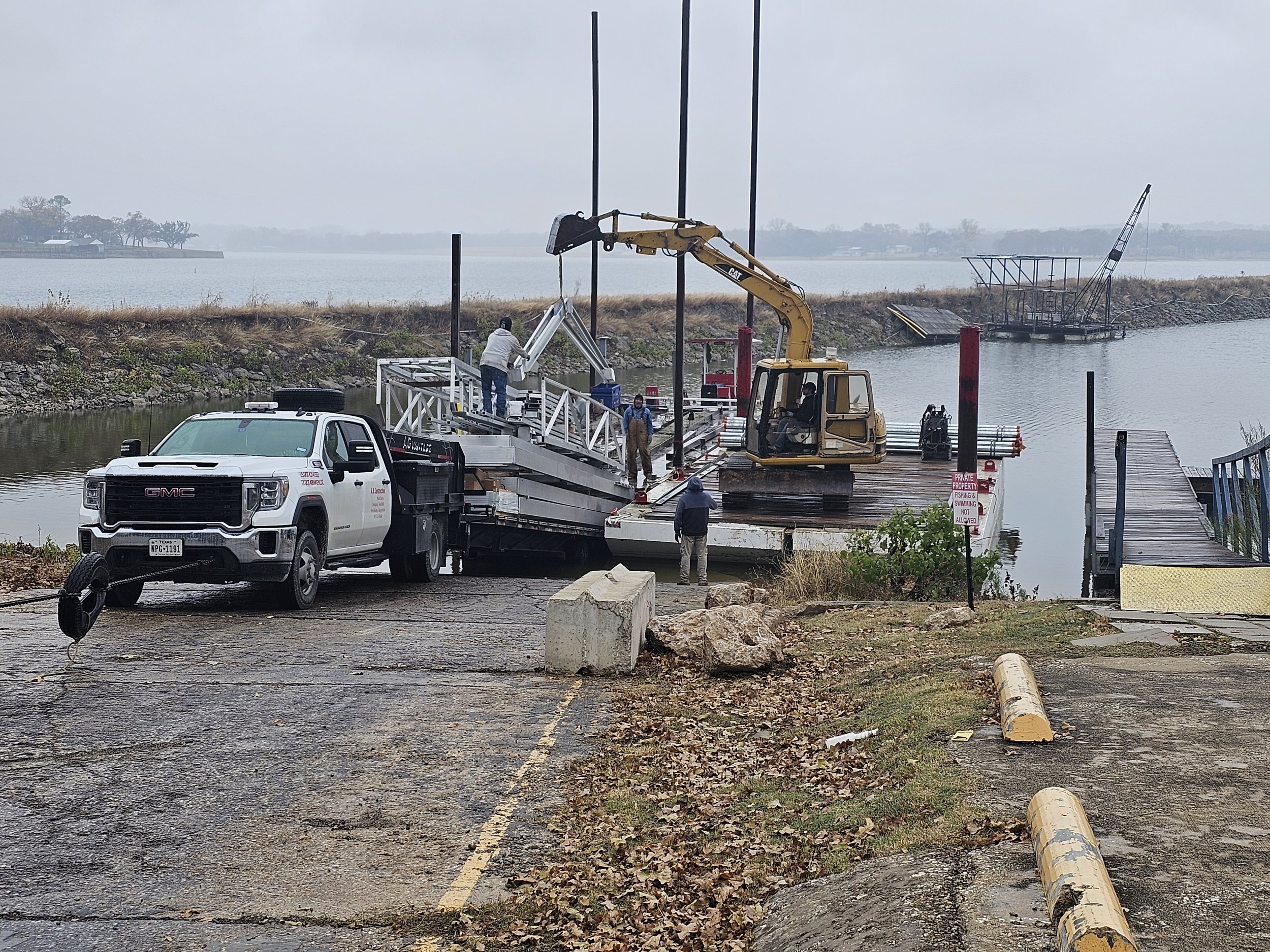
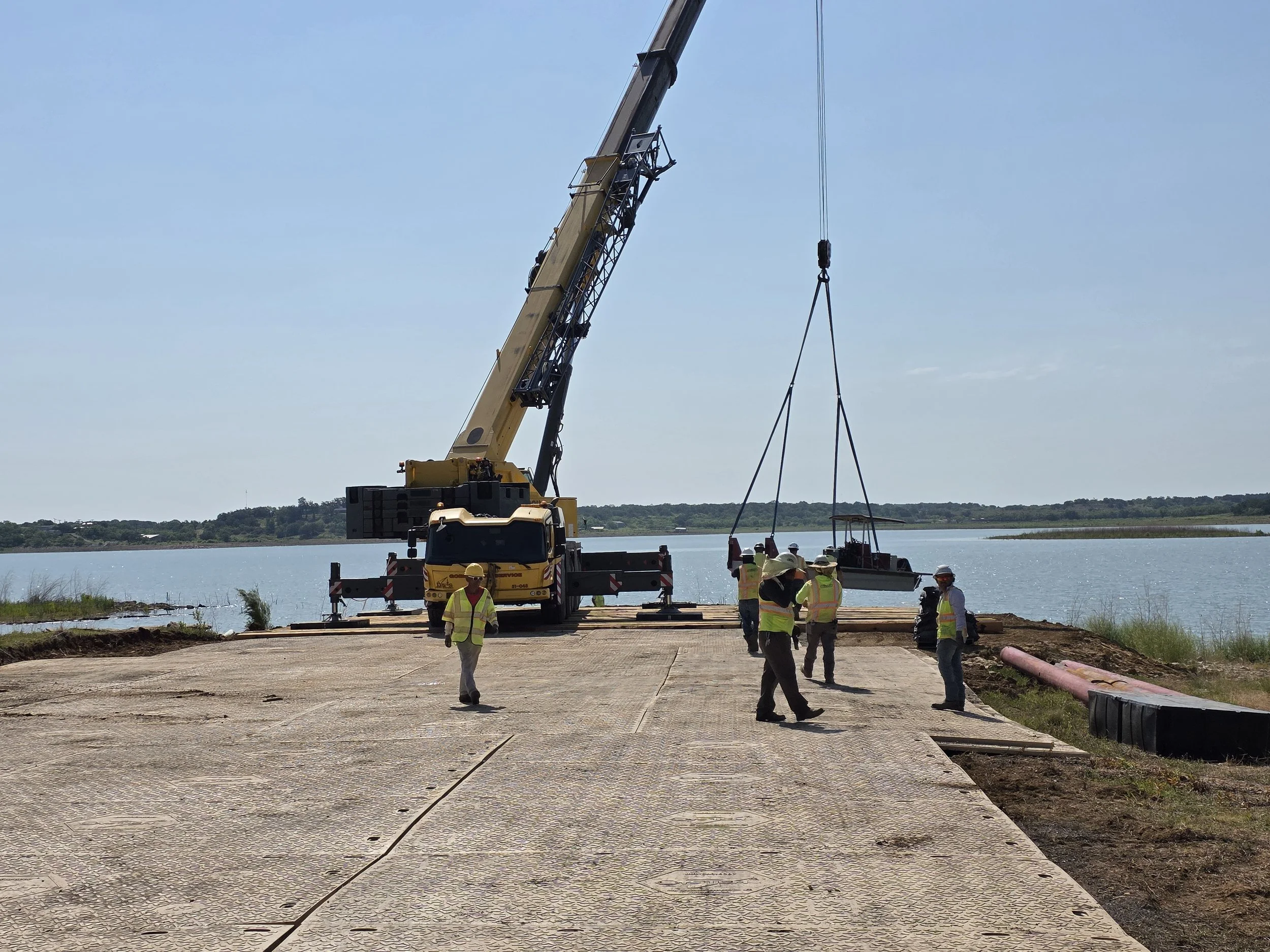
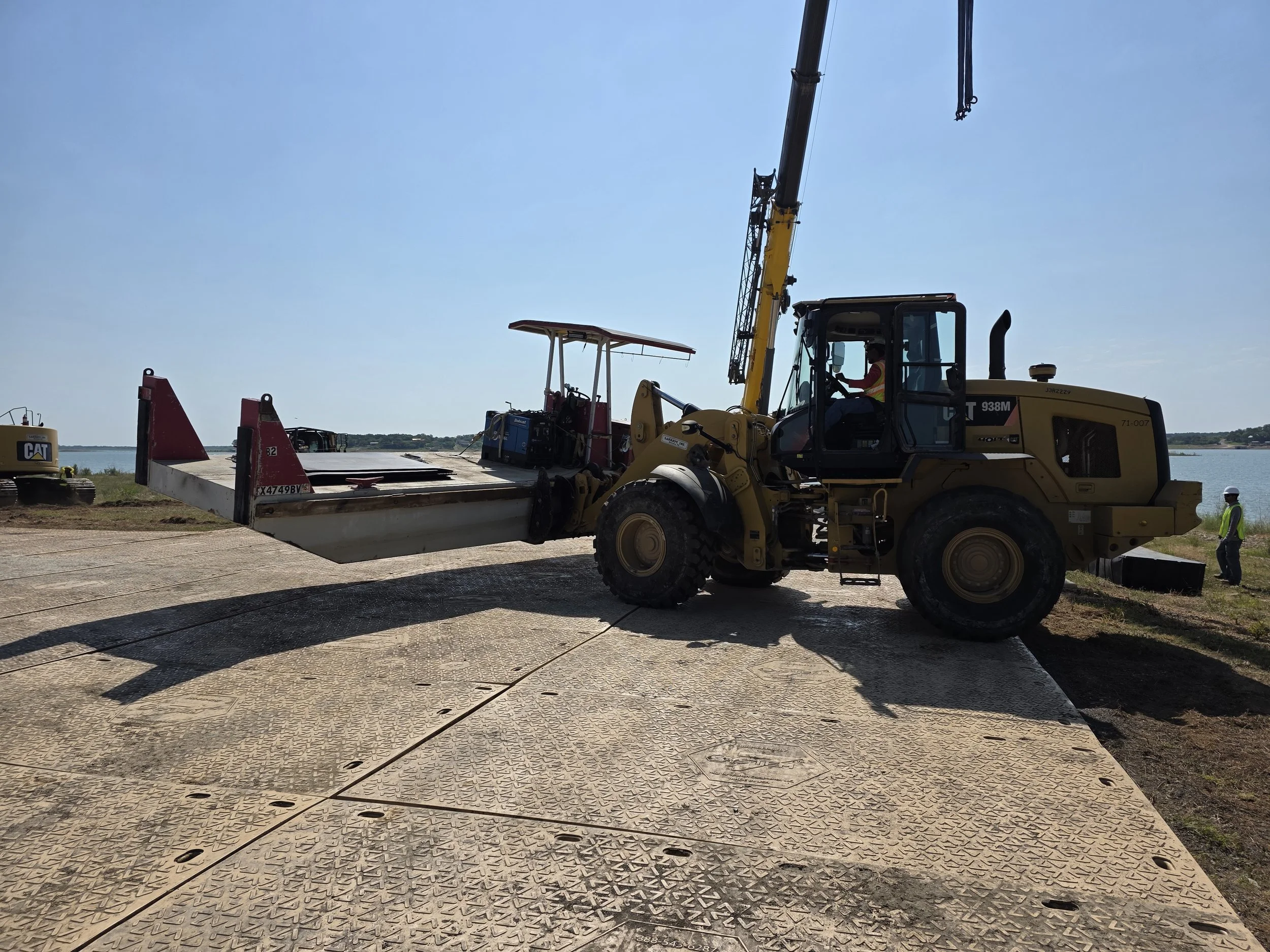
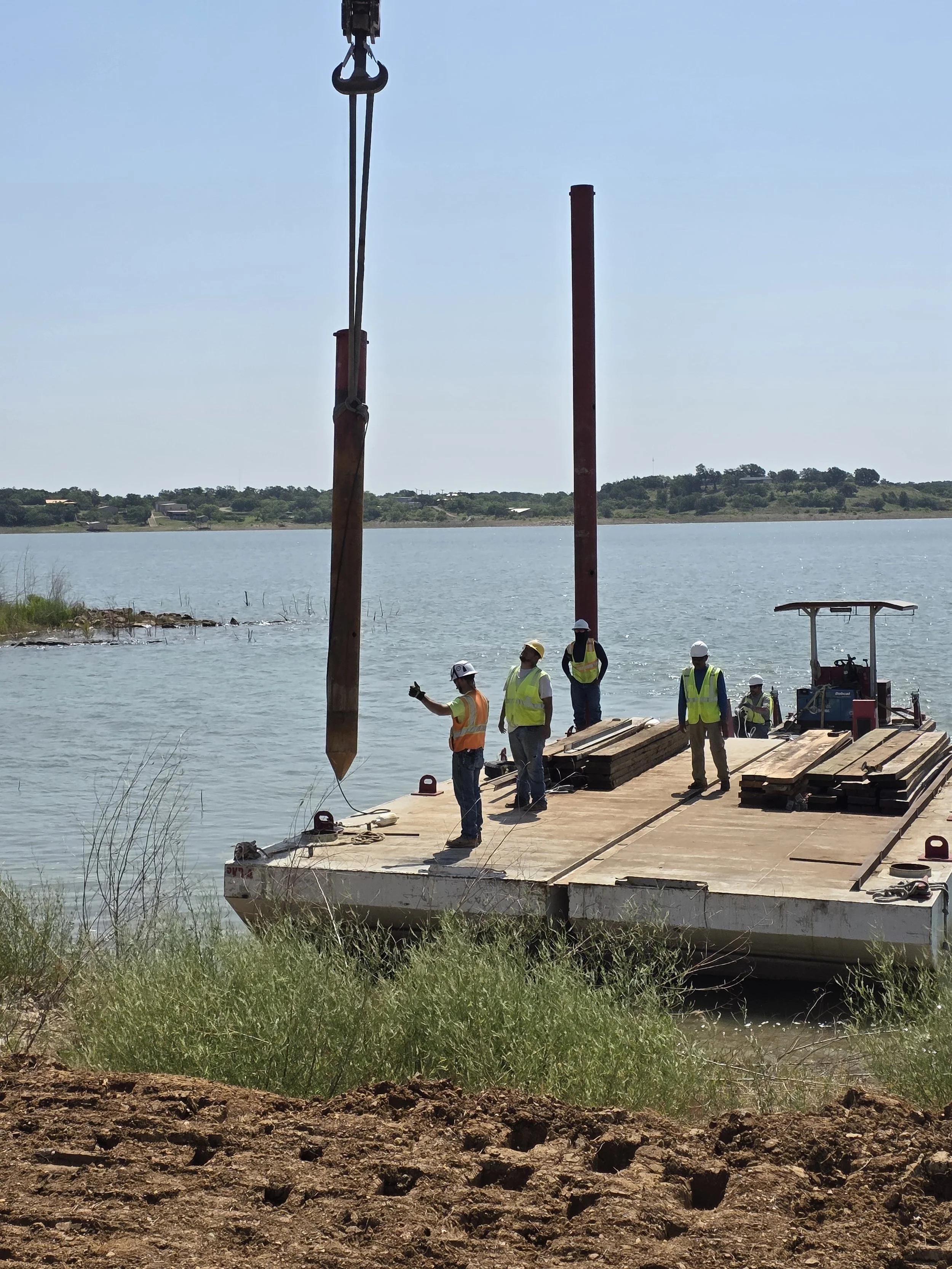
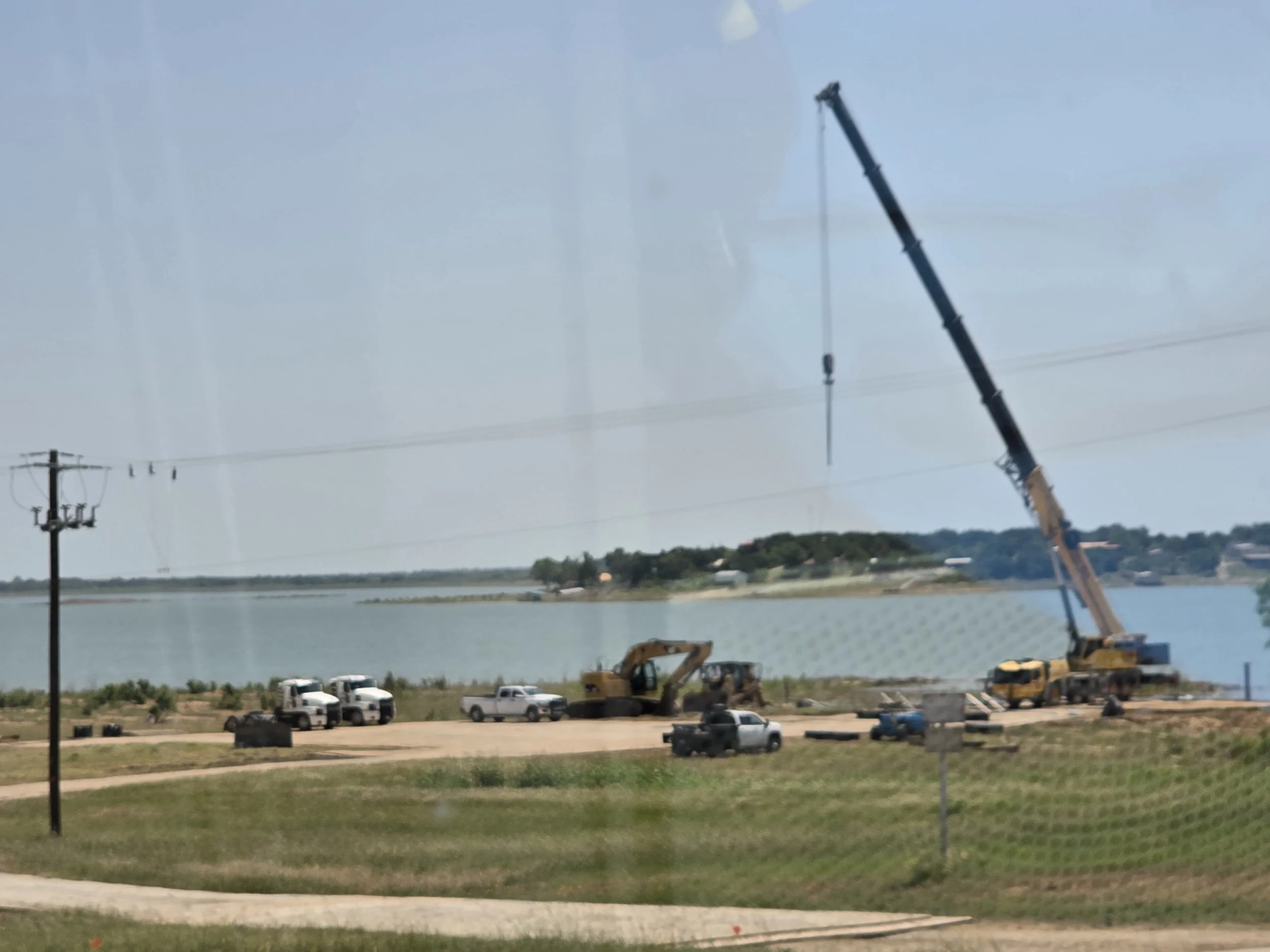
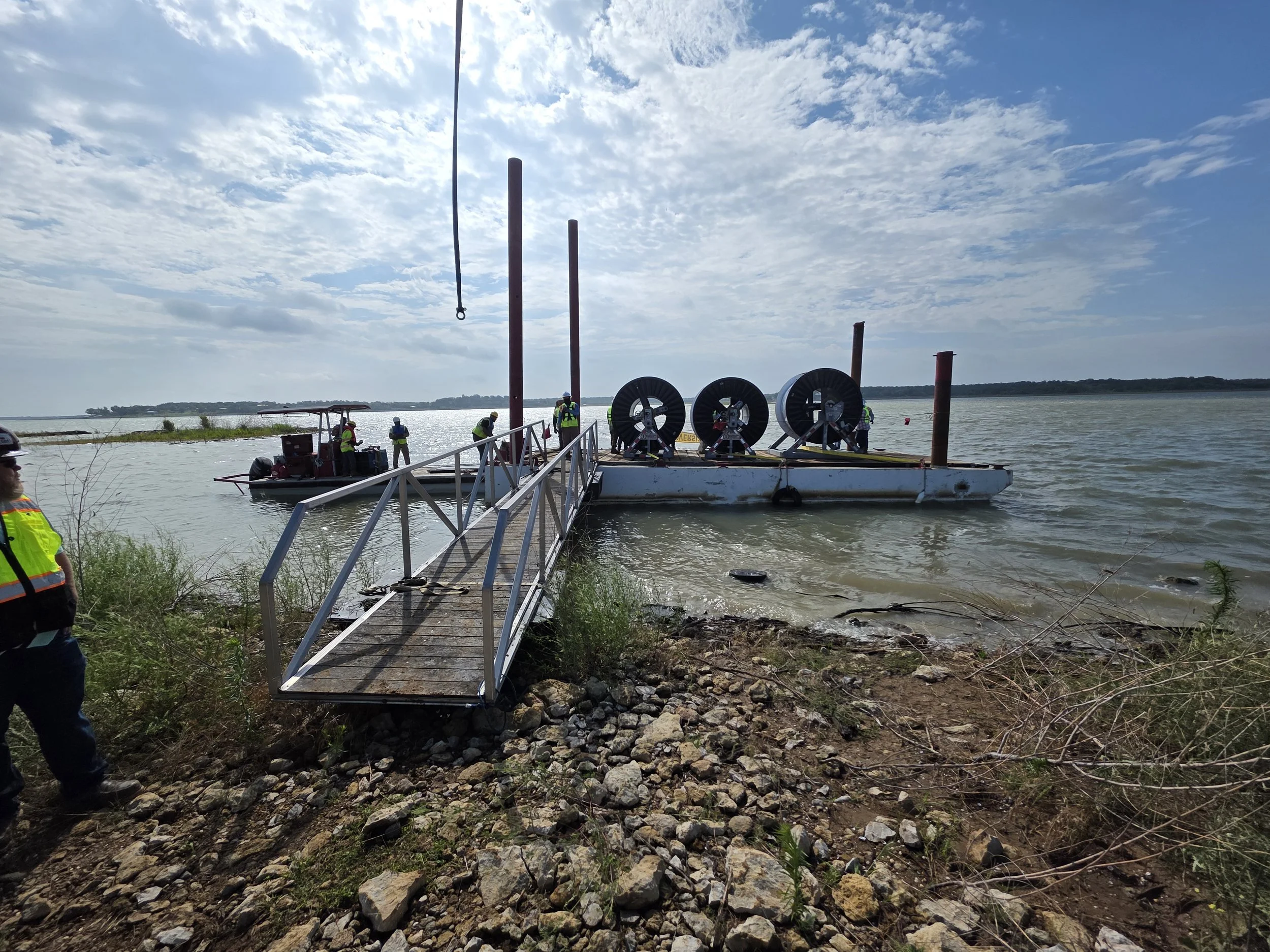
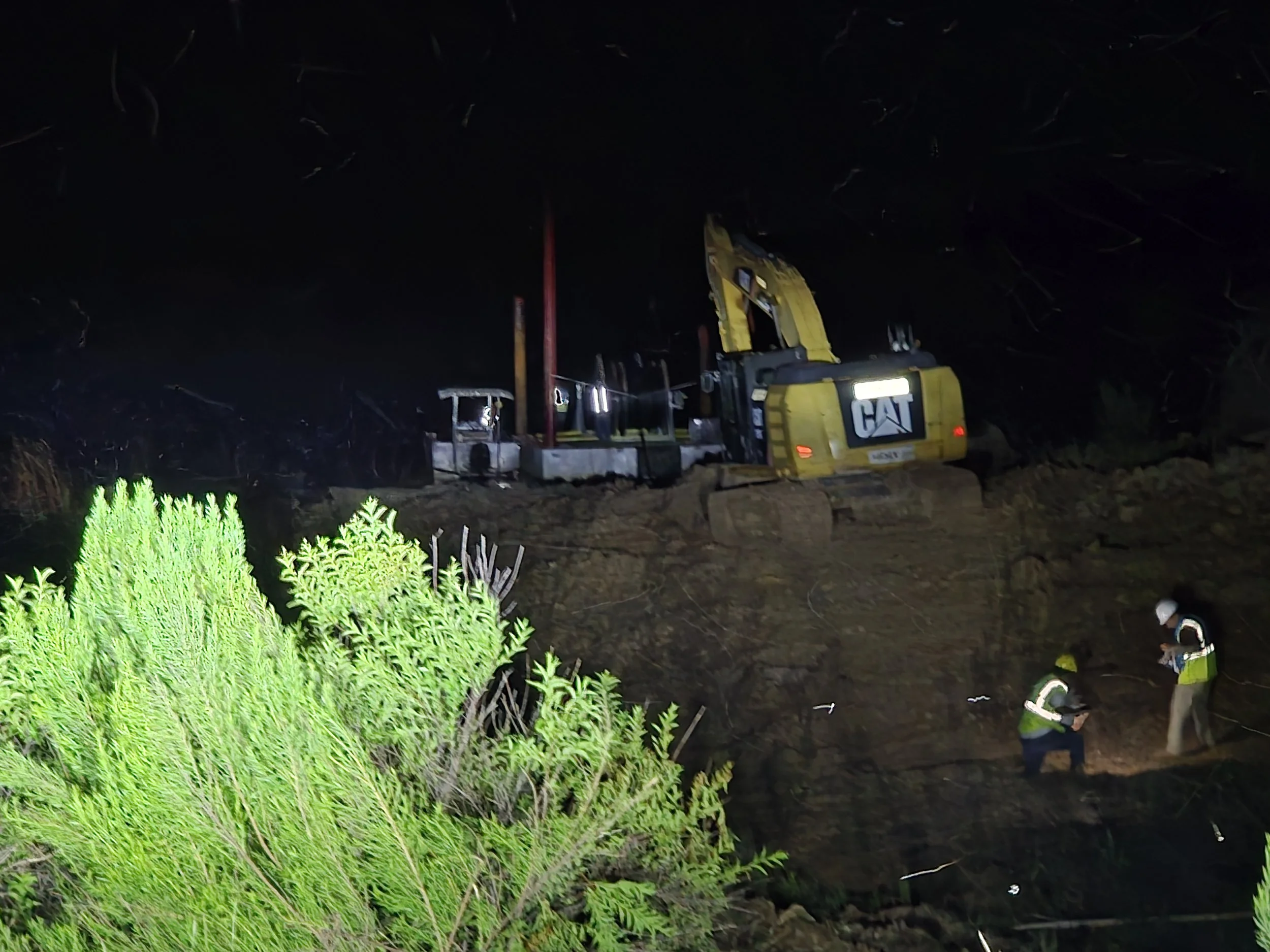
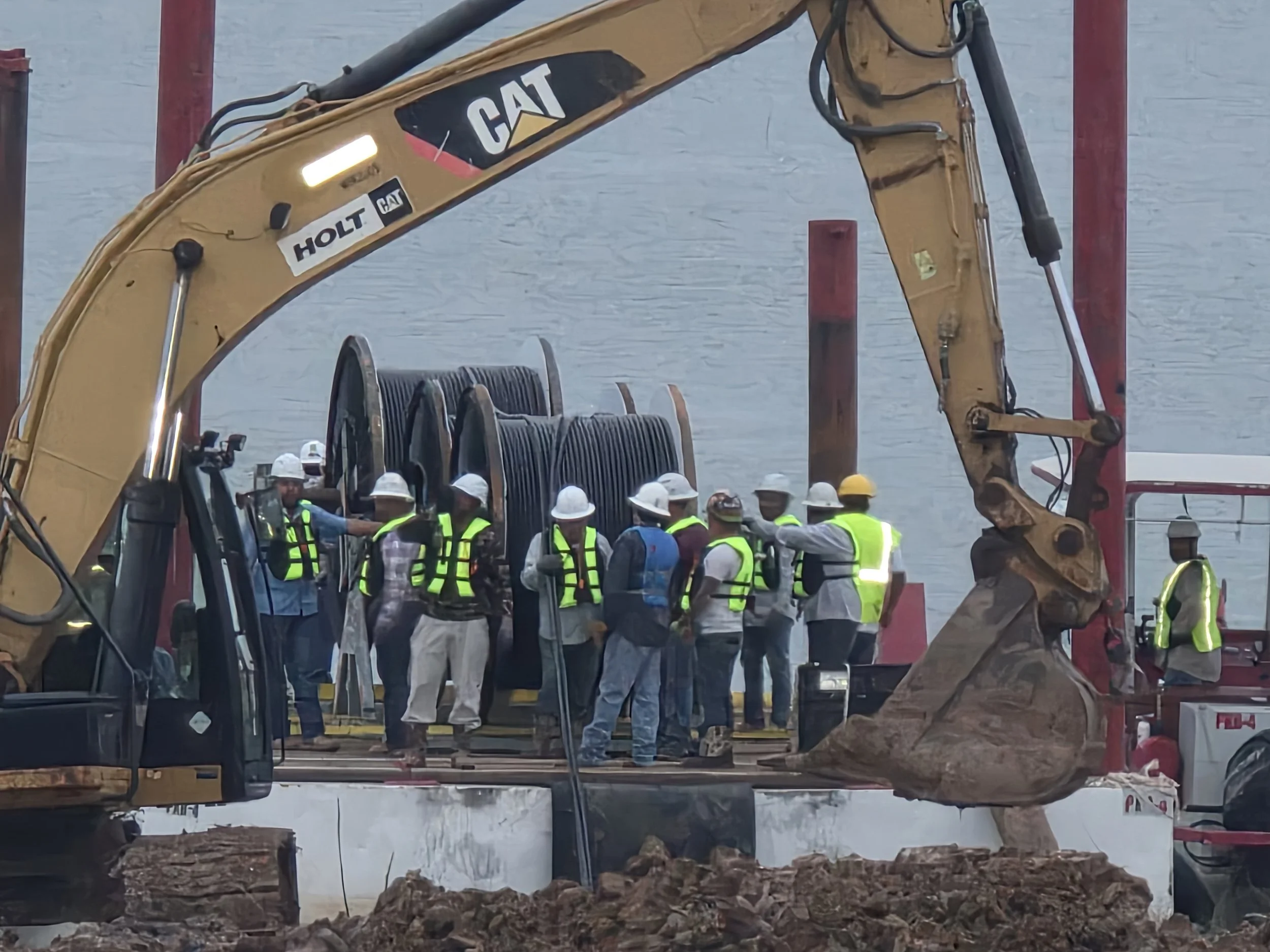
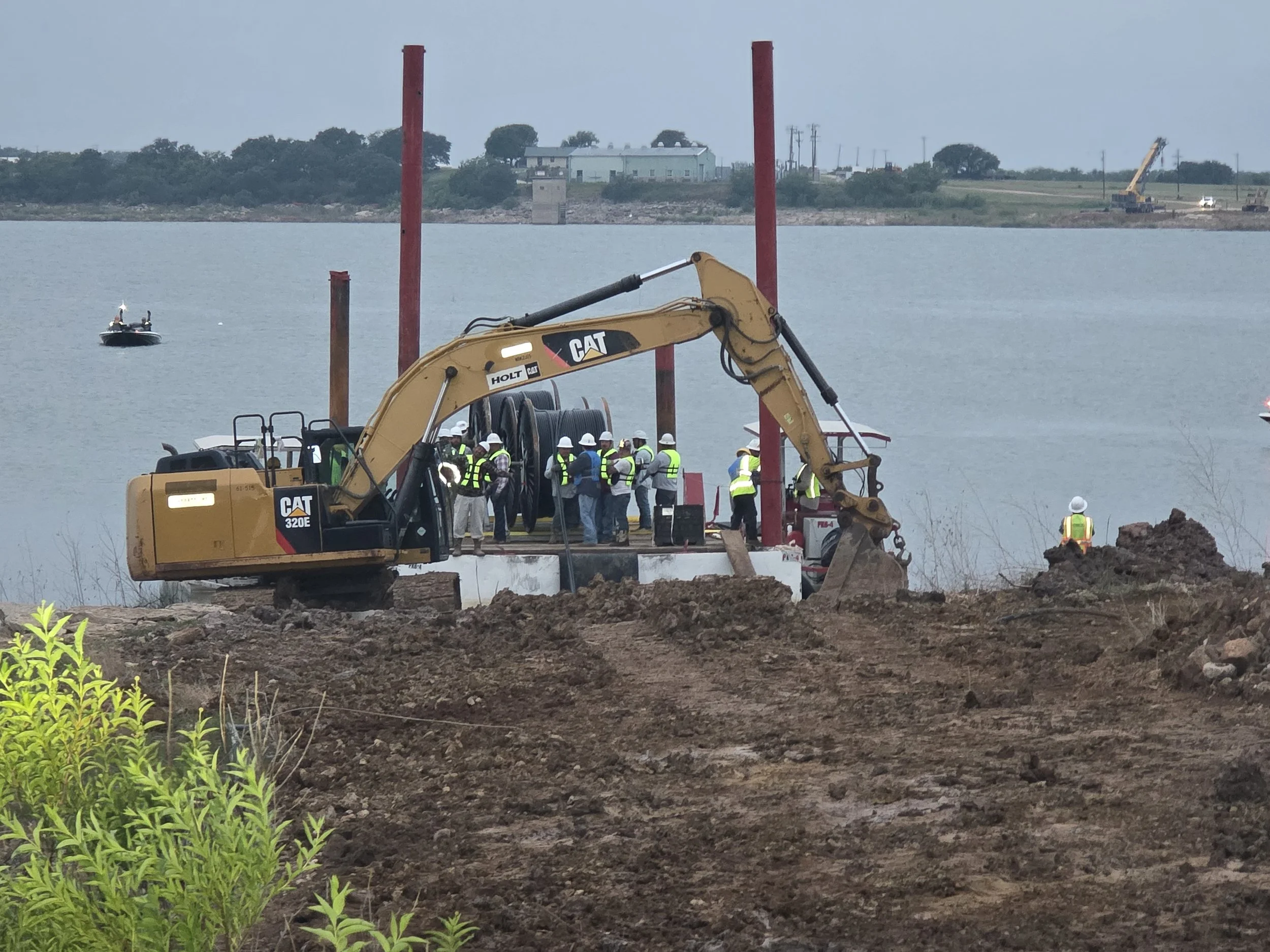
Marine and waterfront crossings: Use directional boring, jetting, or trenched approaches with marine-rated conduit and cable protection. Coordinate barge work, diving operations, and tidal scheduling to ensure safe installation.
Typical Applications:
Power distribution for residential, commercial, and industrial sites.
Utility upgrades and replacements.
Temporary power for construction sites, events, or marine operations.
Service connections to buildings, docks, and marine terminals.
Contact A. D. CONSTRUCTION for a free consultation to evaluate your electric line laying requirements and receive a detailed scope and estimate tailored to your project.
Scope of Work:
Site assessment and planning: Survey the route, identify hazards and obstructions, verify existing utility locations, obtain permits, and coordinate with stakeholders.
Design and engineering support: Provide recommendations for conductor type, cable size, supports, trenching depth, conduit requirements, grounding, and protective measures per applicable electrical and local codes.
Materials procurement: Supply conductors, cable assemblies, insulators, conduit, duct banks, poles or towers, anchors, hardware, grounding rods, splice kits, warning tape, and labeling materials.
Traffic and site protection: Implement traffic control, erosion control, silt fencing (where needed), barricades, signage, and site safety measures to protect workers and the public.
Installation Methods:
Overhead line installation: Install poles or towers, set foundations or anchors, erect structures, string conductors, sag and tension to specifications, install insulators, crossarms, lightning protection, and ground wires. Perform guying and anchor installation as required.
Underground conduit and duct bank: Excavate trench to required depth, bed and surround with sand or select backfill, install conduit or HDPE ducts, place pull boxes or manholes at specified intervals, backfill and compact to grade, and restore surface.
Direct-buried cable: Excavate trench, install warning tape and protective conduit where required, lay cable with appropriate bedding, backfill and compact, and restore surface finishes.
Marine and waterfront crossings: Use directional boring, jetting, or trenched approaches with marine-rated conduit and cable protection. Coordinate barge work, diving operations, and tidal scheduling to ensure safe installation.
Typical Applications:
Power distribution for residential, commercial, and industrial sites.
Utility upgrades and replacements.
Temporary power for construction sites, events, or marine operations.
Service connections to buildings, docks, and marine terminals.
Contact A. D. CONSTRUCTION for a free consultation to evaluate your electric line laying requirements and receive a detailed scope and estimate tailored to your project.